Cordillera Sweater
Wrap yourself in instinctive luxury with plush alpaca-silk warmth, easy layering, and a relaxed fit that moves with you all day. Gentle on skin, breathable, and crafted with care for lasting comfort and mindful style.
Explore essential care practices for knitwear to extend its life without compromising texture. This guide covers fiber types, washing methods, and storage strategies tailored for cozy sweaters and shrugs.
Knitwear sits at the intersection of comfort and craft. The fibers chosen—whether wool, alpaca, or cotton blends—determine warmth, softness, and how you should treat the garment. In this guide, we break down the most common fibers you’ll encounter in cozy shrugs and sweaters, with practical care advice you can apply at home.
Wool, for instance, offers natural insulation and excellent resilience. It can felt if mishandled, but when cared for properly, it blooms with a soft hand and lasting insulation. Alpaca brings a silky smoothness and a breathable warmth, often with an excellent warmth-to-weight ratio. Cotton blends emphasize breathability and ease of care, though they may require gentler handling to preserve elasticity. Blends, such as alpaca with silk or cotton with wool, balance properties and open up nuanced care considerations.
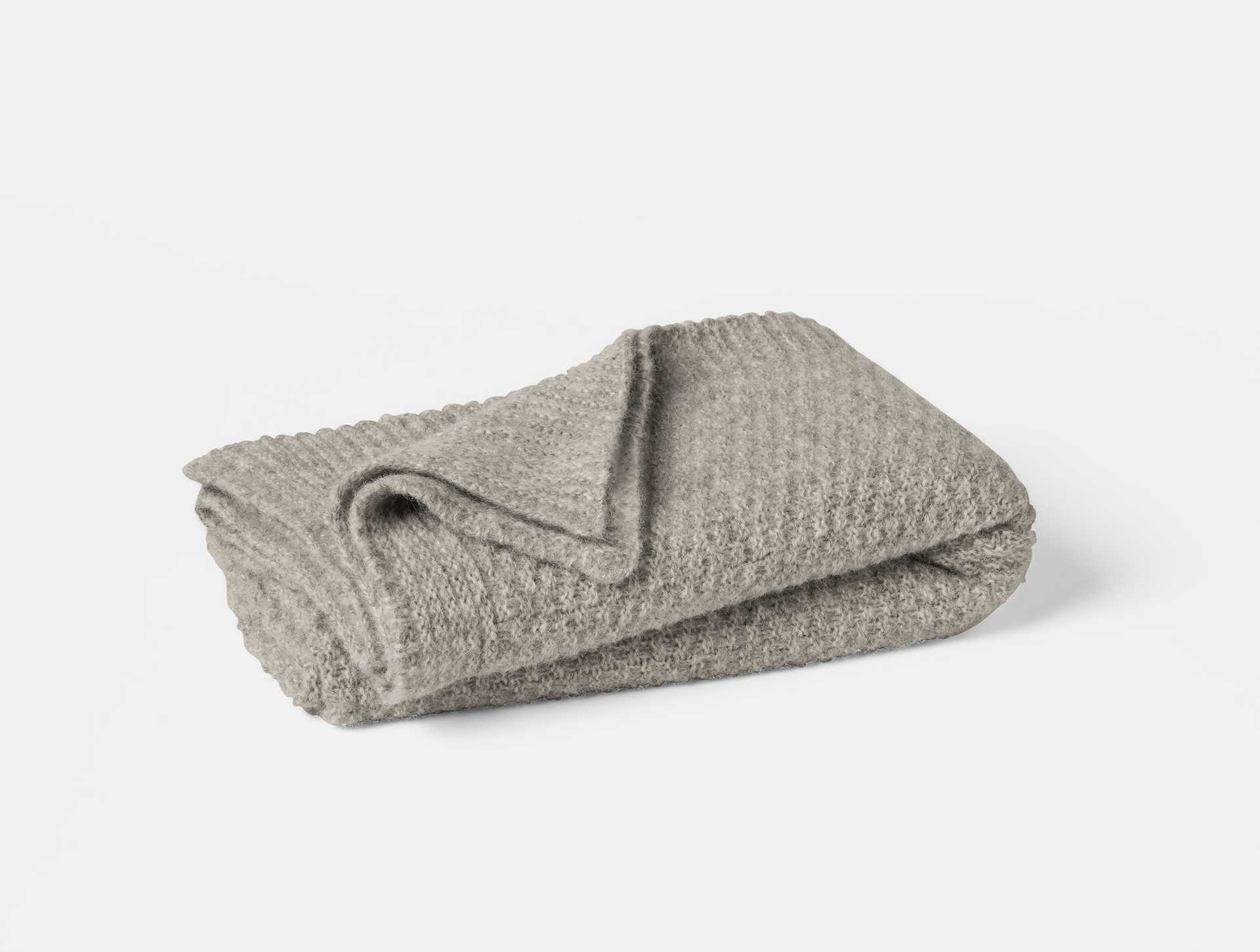
The Cordillera Alpaca Cotton Knit Throw, a 56% alpaca and 44% pima cotton blend woven in Peru, exemplifies how fiber composition can influence both texture and care. Its seed stitch knit offers tactile depth while remaining comfortable to wear or curl up with. Understanding these fibers helps you decide washing temperature, cycle duration, and whether a garment benefits from hand washing versus machine washing.
Care instructions for knitwear often come down to temperature, agitation, and drying. Here’s a practical framework to follow for most sweaters and shrugs:
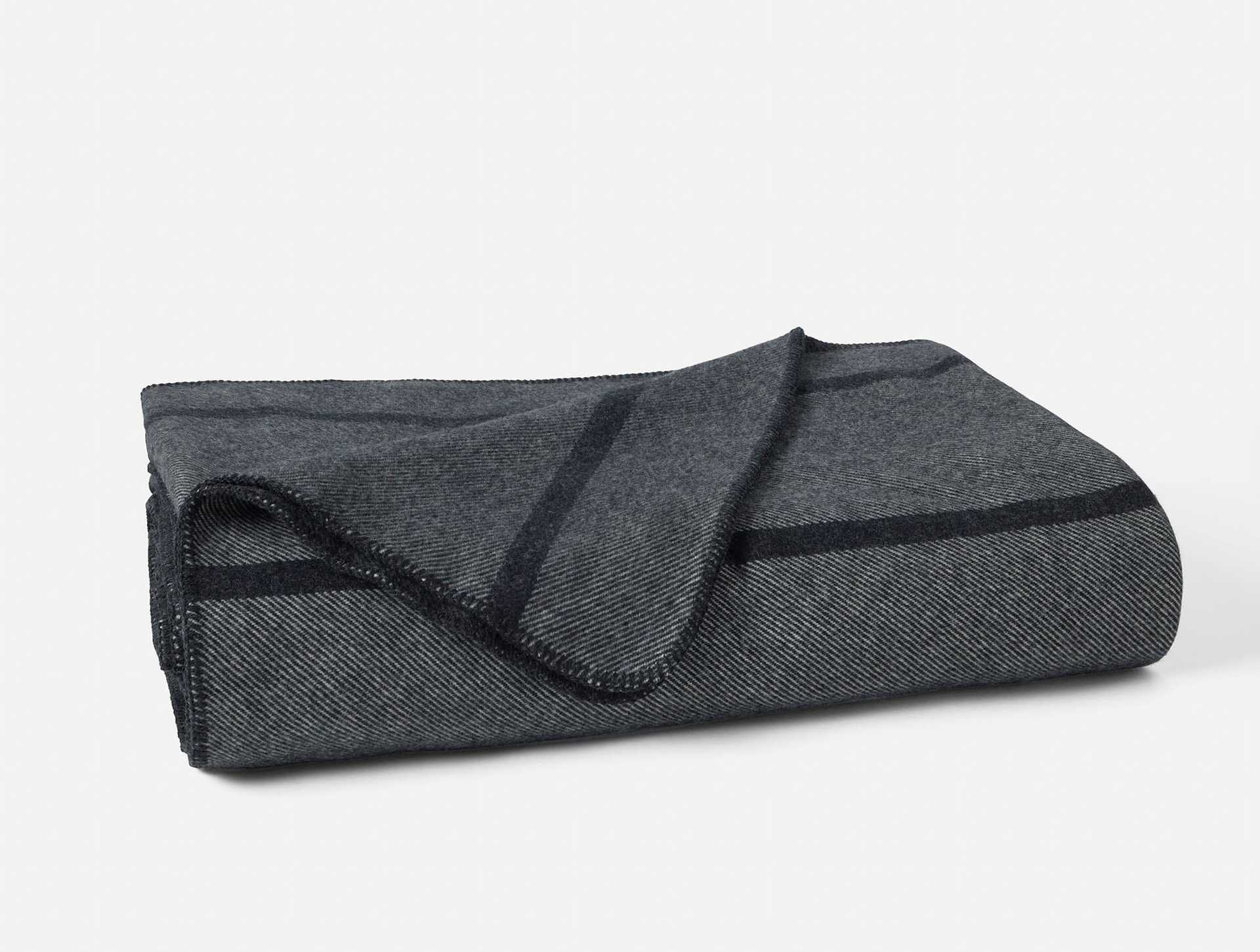
The Tahoe Wool Blanket—though a blanket rather than a sweater—highlights the importance of drying guidance in maintaining fiber integrity. Even though you wouldn’t machine dry it, dry cleaning is suggested for some high-quality wools to protect texture and color. The same principle applies in garments: if the label calls for dry cleaning, it’s worth following to preserve loom integrity and fabric hand.
Temperature is a central lever in knit care. Here’s a quick reference:
When in doubt, test a small inconspicuous area of the garment. A quick test with a tiny sample of detergent helps you gauge colorfastness and fiber reaction before you commit the entire piece to a wash.
Storage is a stage where you can extend knitwear’s life as much as washing. Proper storage prevents moth damage, discourages creases, and preserves color and hand feel.
The Cordillera Sweater, a luxurious blend of superfine alpaca and silk, benefits from careful storage because the silk component is particularly sensitive to environmental changes. Storing in a cool, dry place helps preserve the knit’s luster and softness.
Pilling is a natural phenomenon in many knit textiles, especially with blends that include wool or alpaca. Pilling occurs when loose fibers migrate to the surface due to friction from wear or washing. A few practical strategies can help minimize pilling:
Longevity also depends on shaping after wear. When drying, gently press garments back into shape instead of wringing or stretching. For knits with a looser silhouette or relaxed fit, you can reshape by laying flat and carefully smoothing the edges to maintain the intended profile.
To illustrate the care principles discussed, consider a few real-world pieces available in the market that embody thoughtful fiber composition and design. For example:
When you’re shopping for knitwear, reviewing the fiber content and construction can hint at the most appropriate care regime. If a garment blends delicate fibers (silk, cashmere) with sturdier ones (cotton, wool), you may lean toward more conservative washing settings and more cautious storage practices to safeguard the piece’s texture and shape.
To anchor the craft in broader fashion conversations, here are three influential individuals from different eras whose approach to textiles and care remains instructive:
These snapshots—though spanning eras—underscore a shared thread: knitwear’s longevity is built on selecting the right material, following gentle care practices, and treating each garment as a thoughtful investment rather than a throwaway item.
Beyond washing and storage, little habits add up. Consider these routine integrations:
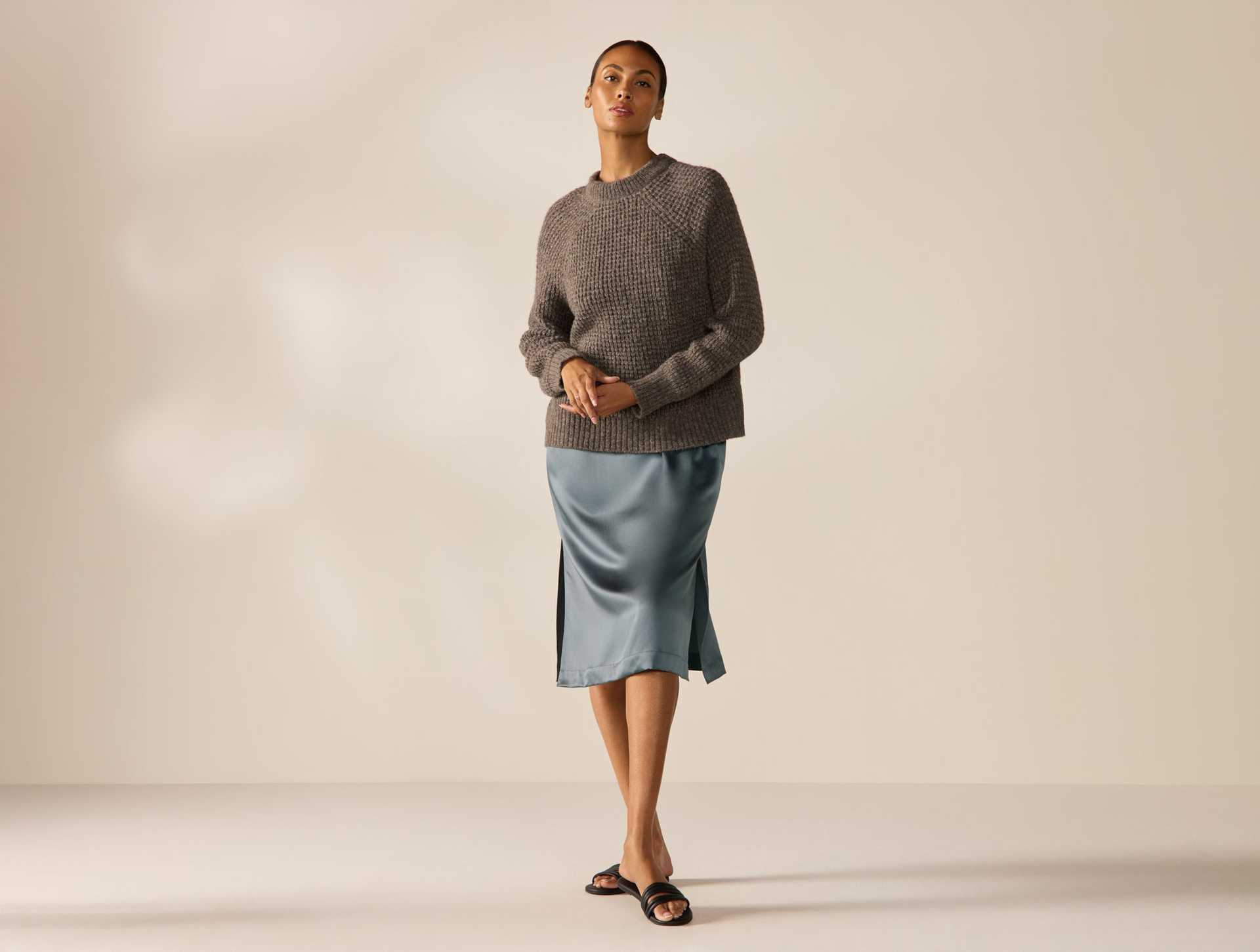
A memorable example of thoughtful knitwear design is the Cordillera Sweater by Coyuchi—a blend of alpaca and silk that speaks to luxury through softness and warmth. Its care will reward the wearer with a longer life for the garment and the joy of feeling, even in everyday moments, wrapped in comfort.
Luxuriously soft pullover knit from 80% superfine alpaca and 20% silk, woven in Peru with a relaxed, layering-friendly silhouette. This non-toxic, natural fiber blend celebrates warmth without compromise.
Material: 80% alpaca, 20% silk
Origin: Peru
A visual cue: imagine the Cordillera Sweater styled with a light scarf and a relaxed denim for everyday layering. Its composition assures warmth with a luxurious hand, while careful care ensures the silk remains lustrous and the alpaca loft preserved.
Knitwear offers a tactile link to comfort, craftsmanship, and enduring style. By understanding fiber properties, choosing appropriate washing methods, and investing in mindful storage, you can extend the life of your sweaters and shrugs while preserving their texture, shape, and color. In an era where fast fashion pressures us toward rapid turnover, a well-cared-for knit becomes a personal signature—soft, warm, and always ready for the next cozy moment.
Whether you’re embracing the refined luxury of Cordillera Yarn or the classic warmth of a Tahoe-inspired blanket, the rules of care stay consistent: treat fibers with respect, wash gently, and store thoughtfully. Your knitwear will thank you with years of comfort, texture, and memories.